A Civilização Perfeita que Não Viu o FIM Chegar: Você Acreditaria?

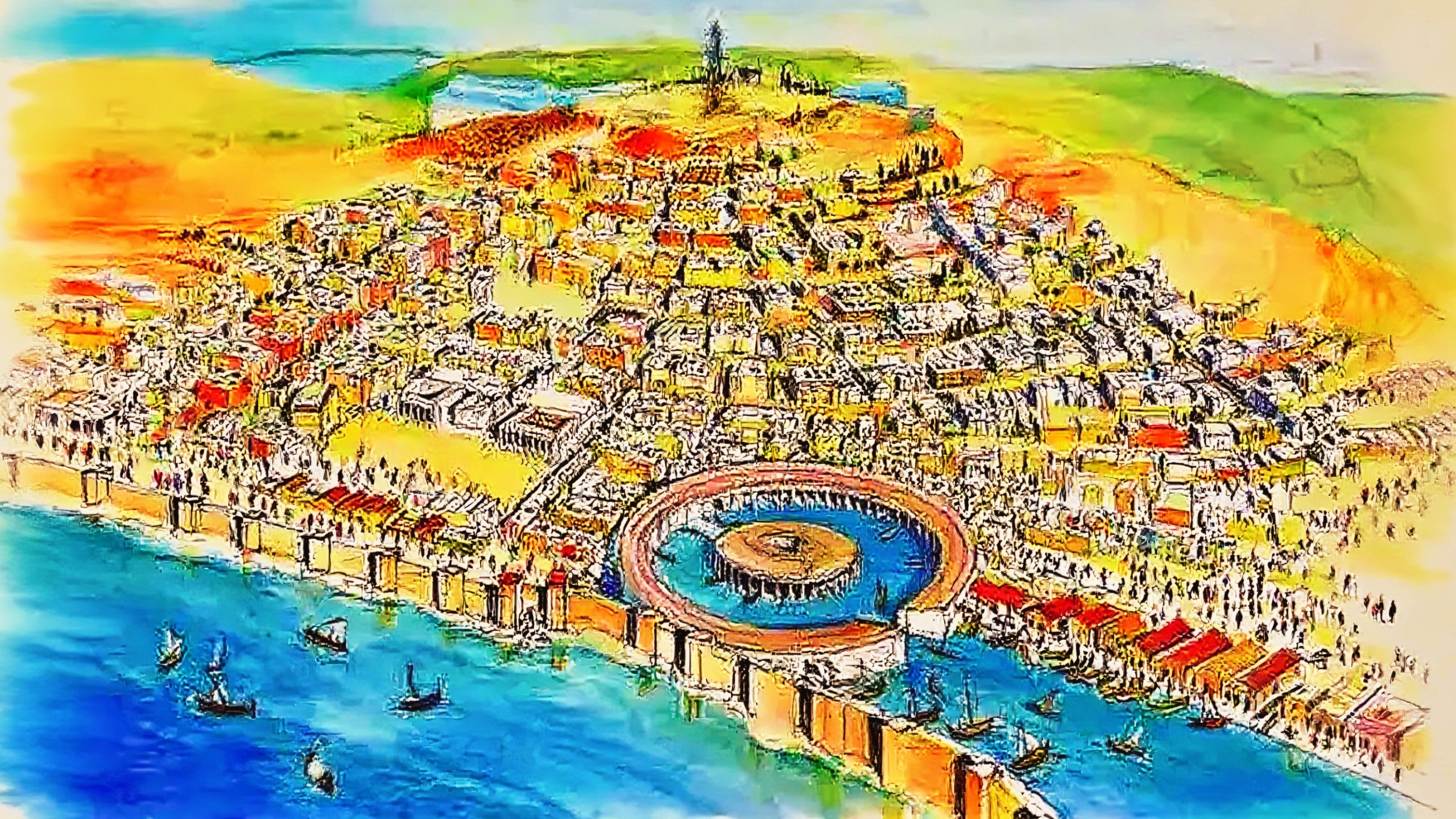
Prepare-se para uma história que vai te virar a cabeça! Imagine cidades enormes, super avançadas para a época, com casas de dois andares, banheiros dentro de casa e um planejamento urbano que daria inveja até hoje.

Pense num povo que criou uma escrita própria, um sistema de pesos e medidas perfeito para o comércio, e que prosperou por centenas de anos. Agora, imagine tudo isso, de uma hora para outra, sumir do mapa, engolido pelo tempo, deixando para trás apenas o eco de sua grandeza. Sim, uma das maiores e mais misteriosas civilizações antigas simplesmente desapareceu, sem uma batalha final, sem um invasor glorioso. Sumiu! E a verdade por trás desse “desaparecimento” é ainda mais surpreendente.
No coração dessa antiga terra, um povo se destacava pela inteligência e organização. Eles ergueram centros urbanos monumentais como Harappa e Mohenjo-Daro, que eram verdadeiros feitos de engenharia e urbanismo. As ruas eram projetadas com um traçado preciso, as casas eram construídas com tijolos uniformes e um sistema de esgoto complexo corria por baixo de tudo, garantindo higiene e bem-estar para milhares de pessoas. As águas residuais eram drenadas para fora das cidades através de canais, mostrando um cuidado com a saúde pública que não seria visto novamente por milênios em muitas outras civilizações. Este era um mundo onde a padronização era rei, desde o tamanho dos tijolos até os selos usados para o comércio, sugerindo uma administração central forte e um povo altamente disciplinado, que dependia diretamente da riqueza gerada pelas férteis planícies e a vida pulsante dos rios para sustentar essa complexidade urbana e um estilo de vida surpreendente.
Por séculos, o ritmo de vida dessas grandes cidades foi ditado por um elemento invisível, mas vital: o clima. Chuvas torrenciais trazidas pelas monções garantiam que os rios ficassem cheios, inundando os campos e depositando sedimentos ricos em nutrientes que fertilizavam o solo. Era um ciclo de abundância, onde a agricultura florescia e o alimento era farto. Os lavradores trabalhavam em harmonia com a natureza, plantando e colhendo grãos em uma escala que permitia sustentar não apenas as aldeias menores, mas também as metrópoles movimentadas. O povo, talvez sem se dar conta da total dependência, celebrava cada monção como uma bênção divina, construindo sua fé e seu modo de vida em torno dessa generosidade natural, com líderes religiosos provavelmente coordenando orações e rituais que assegurassem a continuidade dessas chuvas salvadoras, fazendo do ciclo agrícola o cerne de sua existência cultural e espiritual.
No entanto, um inimigo silencioso e implacável começou a se manifestar. As monções, que antes eram um relógio, ficaram mais fracas, mais imprevisíveis. Em vez de chuvas abundantes e inundações controladas que fertilizavam o solo, vieram longos períodos de seca ou, pior, inundações erráticas e destrutivas que destruíam colheitas e casas. O rio Sarasvati, que era a espinha dorsal de muitas comunidades, começou a secar, transformando-se de um majestoso curso d’água em um leito empoeirado e rachado. A cada ano que passava, a batalha por água se tornava mais feroz. Os camponeses, desesperados, viam seus campos murcharem e o celeiro esvaziar. A incerteza pairava no ar como uma nuvem de poeira, e o medo da fome se tornava uma realidade brutal, com os líderes e sábios lutando para encontrar respostas ou soluções para uma catástrofe que fugia do seu controle.
Com a terra cada vez menos produtiva e a água se tornando um luxo raro, a vida nas grandes cidades se tornou insustentável. O brilho dos centros urbanos começou a desaparecer, não por uma invasão violenta, mas pela erosão gradual de sua base de sustento. Os complexos sistemas de drenagem e abastecimento, que eram o orgulho da civilização, começaram a entupir e perder a função. Não havia mais gente ou recursos suficientes para mantê-los. As grandes casas, que abrigaram famílias prósperas, foram gradualmente abandonadas, e os mercados, antes cheios de vida e burburinho, silenciaram. O povo, aquele mesmo que um dia desfrutou de tanto conforto e organização, agora estava diante de uma escolha impossível: ficar e enfrentar a fome, ou partir em busca de esperança em terras distantes, uma decisão que desestruturava completamente suas crenças e sua fé no seu antigo lar.
Foi assim que começou o grande êxodo. Milhares de pessoas, de famílias inteiras a comunidades, viram-se obrigadas a deixar para trás os tijolos polidos e as ruas bem traçadas que seus ancestrais haviam construído com tanto esmero. As cidades, antes símbolos de sua grandeza, viraram gigantescas necrópoles, cheias de lembranças e vazias de vida. Eles migraram lentamente para o leste, em direção à bacia do rio Ganges, buscando a água e a terra fértil que seu lar ancestral não podia mais oferecer. Essa jornada foi um testamento à resiliência humana, mas também um lembrete cruel de como a natureza pode ser caprichosa. Cada passo para longe de casa era um pedaço da civilização que se perdia, cada grupo que se dispersava para diferentes áreas levava consigo a esperança, mas deixava para trás a unidade e a grandiosidade de um passado cada vez mais distante.
A complexa sociedade do Vale do Indo começou a se fragmentar. Os símbolos de sua identidade, como a escrita única e o sistema padronizado de pesos e medidas, aos poucos caíram em desuso, esquecidos ou transformados em versões rudimentares pelas comunidades dispersas. O comércio internacional com regiões distantes, como a Mesopotâmia, cessou, cortando as últimas amarras que ligavam a civilização a um mundo maior. O que restou não foi um “nada”, mas uma transformação radical. As grandes cidades deram lugar a vilas e fazendas menores, mais isoladas. O senso de identidade coletiva e o estilo de vida grandioso e sofisticado se esvairam, substituídos pela luta diária pela sobrevivência em comunidades fragmentadas, onde o objetivo era simplesmente continuar, mesmo que isso significasse esquecer muito do que seus antepassados tinham alcançado e acreditavam como uma verdade absoluta e um destino prometido.
Olhando para essa história chocante de desaparecimento, é impossível não fazer uma ponte com os desafios que enfrentamos hoje. Da mesma forma que os povos antigos do Vale do Indo viram seu modo de vida desfeito pelas mudanças climáticas e a escassez de recursos, nós, no século XXI, somos confrontados com problemas globais que ameaçam a nossa própria existência. Seja a falta de água em grandes centros urbanos, o aumento de eventos climáticos extremos ou a pressão sobre os recursos naturais, a história nos grita que civilizações, por mais avançadas que sejam, não estão imunes à força avassaladora da natureza e que a nossa negligência com o meio ambiente pode ter consequências tão devastadoras quanto aquelas que levaram ao “sumiço” de um império.

E você, o que achou dessa história que te deixou sem fôlego? Já conhecia esse lado impressionante e, ao mesmo tempo, melancólico da antiguidade? Que emoções ou pensamentos essa narrativa despertou em você? Compartilhe nos comentários sua opinião sincera, suas reações ou qualquer dúvida que tenha surgido. Adoramos interagir com vocês! Se gostou do vídeo e se sente fascinado por esses mistérios antigos, não se esqueça de deixar o seu like, se inscrever no canal para não perder nenhuma novidade e ativar o sino das notificações. Vem muito mais conteúdo chocante e inacreditável dos segredos da humanidade por aí!
Get ready for a story that will blow your mind! Imagine enormous cities, super-advanced for their time, with two-story houses, indoor bathrooms, and urban planning that would be envied even today. Imagine a people who created their own writing system, a system of weights and measures perfect for trade, and who prospered for hundreds of years. Now, imagine all of this, suddenly, vanishing from the map, swallowed by time, leaving behind only the echo of their greatness. Yes, one of the greatest and most mysterious ancient civilizations simply vanished, without a final battle, without a glorious invader. Gone! And the truth behind this “disappearance” is even more surprising.
In the heart of this ancient land, a people stood out for their intelligence and organization. They built monumental urban centers like Harappa and Mohenjo-Daro, true feats of engineering and urban planning. The streets were laid out with precise layouts, the houses were built with uniform bricks, and a complex sewage system ran beneath everything, ensuring hygiene and well-being for thousands of people. Wastewater was drained out of the cities through canals, demonstrating a concern for public health not seen again for millennia in many other civilizations. This was a world where standardization reigned, from the size of bricks to the seals used for trade, suggesting a strong central administration and a highly disciplined people who depended directly on the wealth generated by the fertile plains and the pulsating life of the rivers to sustain this urban complexity and a surprising lifestyle.
For centuries, the pace of life in these great cities was dictated by an invisible but vital element: the climate. Torrential rains brought by the monsoons ensured that the rivers remained swollen, flooding the fields and depositing nutrient-rich sediments that fertilized the soil. It was a cycle of abundance, where agriculture flourished and food was plentiful. Farmers worked in harmony with nature, planting and harvesting grain on a scale that sustained not only the smallest villages but also bustling metropolises. The people, perhaps unaware of their utter dependence, celebrated each monsoon as a divine blessing, building their faith and way of life around this natural bounty. Religious leaders likely coordinated prayers and rituals that ensured the continuation of these life-saving rains, making the agricultural cycle the core of their cultural and spiritual existence.
However, a silent and relentless enemy began to manifest itself. The monsoons, once a clockwork order, became weaker and more unpredictable. Instead of abundant rains and controlled floods that fertilized the soil, came long periods of drought or, worse, erratic and destructive floods that destroyed crops and homes. The Sarasvati River, which was the backbone of many communities, began to dry up, transforming from a majestic waterway into a dusty, cracked riverbed. With each passing year, the battle for water grew fiercer. Desperate peasants watched their fields wither and their granaries empty. Uncertainty hung in the air like a cloud of dust, and the fear of famine became a brutal reality, with leaders and sages struggling to find answers or solutions to a catastrophe beyond their control.
With land becoming increasingly unproductive and water becoming a rare luxury, life in large cities became unsustainable. The luster of urban centers began to fade, not from a violent invasion, but from the gradual erosion of their livelihoods. The complex drainage and water supply systems, once the pride of civilization, began to clog and become ineffective. There were no longer enough people or resources to maintain them. The grand houses that had sheltered prosperous families were gradually abandoned, and the markets, once full of life and hustle and bustle, fell silent. The people, the same people who had once enjoyed so much comfort and organization, now faced an impossible choice: stay and face hunger, or leave in search of hope in distant lands, a decision that completely shattered their beliefs and their faith in their former home.
Thus began the great exodus. Thousands of people, from entire families to communities, were forced to leave behind the polished bricks and well-laid streets their ancestors had so painstakingly built. The cities, once symbols of their greatness, became gigantic necropolises, full of memories and empty of life. They migrated slowly eastward, toward the Ganges River basin, seeking the water and fertile land their ancestral home could no longer provide. This journey was a testament to human resilience, but also a cruel reminder of how capricious nature can be. Each step away from home was a piece of civilization lost; each group that dispersed to different areas took with them hope but left behind the unity and grandeur of an increasingly distant past.
The complex society of the Indus Valley began to fragment. The symbols of their identity, such as the unique script and the standardized system of weights and measures, gradually fell into disuse, forgotten or transformed into rudimentary versions by the scattered communities. International trade with distant regions, such as Mesopotamia, ceased, severing the last ties that connected civilization to the larger world. What remained was not “nothingness,” but a radical transformation. Large cities gave way to smaller, more isolated villages and farms. The sense of collective identity and the grand, sophisticated lifestyle faded, replaced by the daily struggle for survival in fragmented communities, where the goal was simply to carry on, even if it meant forgetting much of what their ancestors had achieved and believed to be an absolute truth and a promised destiny.
Looking back at this shocking history of disappearance, it is impossible not to connect with the challenges we face today. Just as the ancient peoples of the Indus Valley saw their way of life disrupted by climate change and resource scarcity, we in the 21st century are confronted with global problems that threaten our very existence. Whether it’s the lack of water in large urban centers, the increase in extreme weather events, or the pressure on natural resources, history tells us that civilizations, no matter how advanced, are not immune to the overwhelming force of nature, and that our neglect of the environment can have consequences as devastating as those that led to the “disappearance” of an empire.
And you, what did you think of this breathless story? Were you already familiar with this impressive yet melancholic side of antiquity? What emotions or thoughts did this narrative evoke in you? Share your honest opinion, your reactions, or any questions you may have in the comments. We love interacting with you! If you enjoyed the video and are fascinated by these ancient mysteries, don’t forget to like it, subscribe to the channel so you don’t miss anything, and hit the notification bell. There’s much more shocking and unbelievable content about humanity’s secrets to come!
Artigos Relacionados


Sobre o Autor

Sou Fabio Russo, desenvolvedor e administrador do site Artesanato Total desde 2015. A mais de 25 anos trabalho com diversos nichos de sites na Internet, sempre presando a qualidade em todos os projetos.
0 Comentários